 English
 Chinese (Traditional)
 French
 German
 Hindi
Hindi Italian
 Japanese
 Spanish
 Vietnamese
All Products
Triplett offers a range of NIST Traceable Light Meters for accurate light level measurement in commercial, industrial, laboratory, and facility maintenance applications. Each NIST traceable light meter includes calibration documentation to support reliable measurements, quality assurance, and routine lighting verification. Browse our collection of professional light meters for dependable performance in workplace lighting assessments, environmental monitoring, and building inspections.
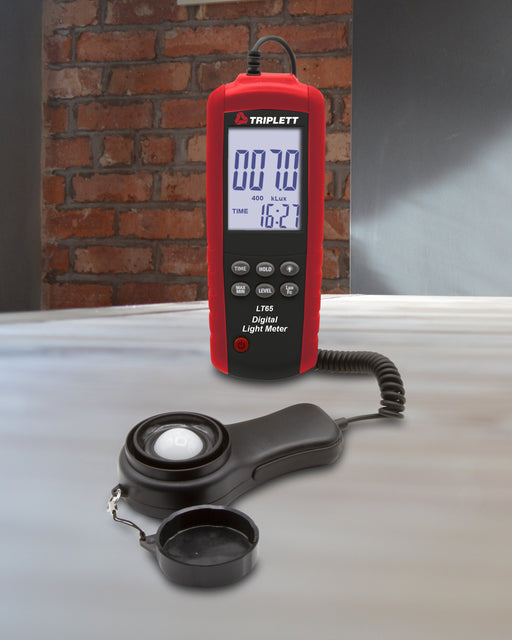
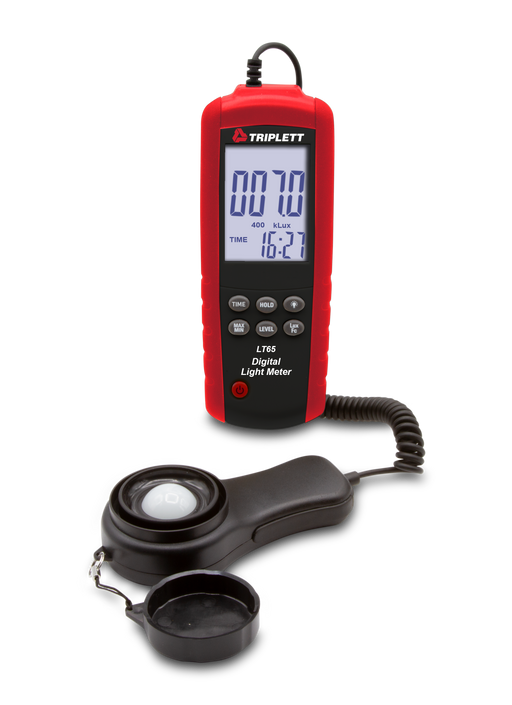
The Triplett Model LT65 Digital Light Meter measures light intensity (up to 40k Foot candles/400k Lux) and verify OSHA safety requirements from flu...
View full details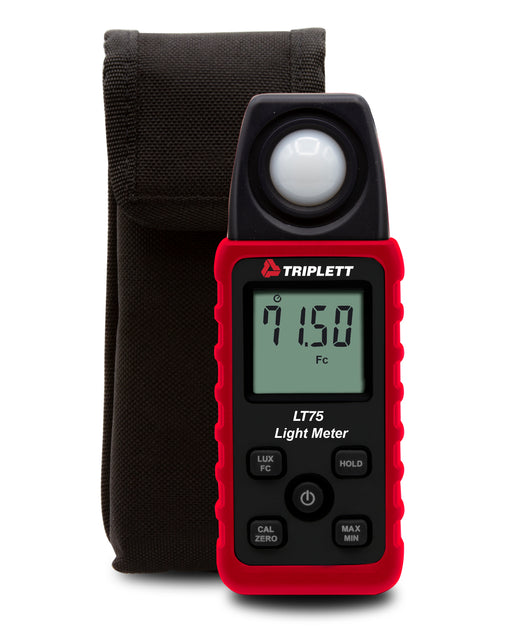
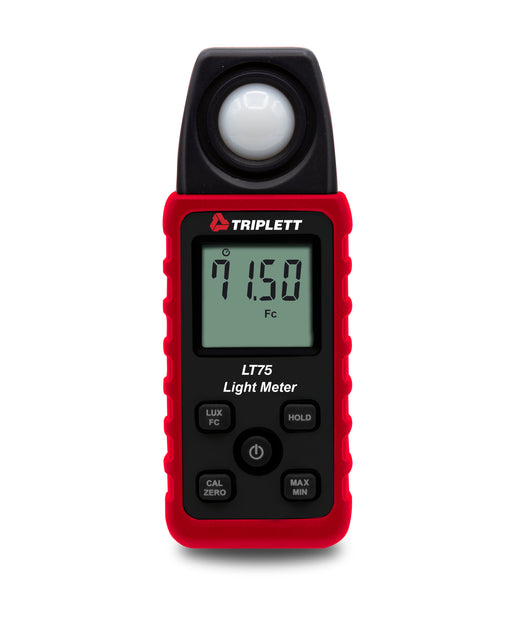
The Triplett Model LT75 Digital Light Meter Lux to Fc measures light intensity (up to 40k Foot candles/400k Lux) and verify OSHA safety requirement...
View full details
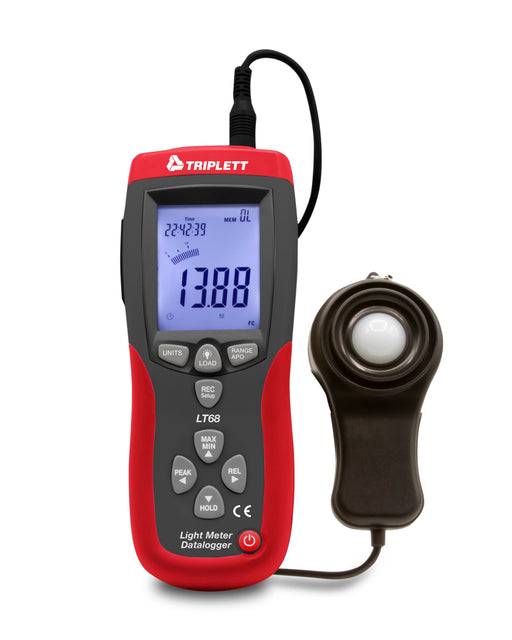
The Triplett Model LT68 Light Meter/Datalogger measures light intensity (up to 40k Foot candles/400k Lux) and verify OSHA safety requirements from ...
View full details

The Triplett Model LT80 LED Light Meter measures light intensity and verifies OSHA safety requirements from white LED light sources up to 40k Foot ...
View full detailsKnow More About NIST Traceable Light Meters
Choose a NIST Traceable Light Meter when your application requires accurate illumination measurements supported by documented calibration. These instruments are widely used for workplace lighting assessments, facility maintenance, laboratory testing, environmental monitoring, photography, and quality assurance. They are particularly valuable when consistent measurement results and calibration records are needed for inspections, audits, or internal quality programs.
Professionally calibrated light meters provide reliable illumination measurements and documented traceability, giving users greater confidence in their results across a wide range of applications.
Key benefits include:
A light meter measures illumination levels to help evaluate lighting performance in commercial, industrial, and laboratory environments. Depending on the model, it may measure:
These capabilities make light meters useful for lighting audits, environmental monitoring, preventive maintenance, and energy efficiency assessments.
Selecting the right instrument depends on your application and measurement requirements. Before making a purchase, consider factors such as accuracy, measurement range, operating environment, and any documentation needed for your quality management program.
Important considerations include:
Choosing the right instrument helps ensure dependable performance and reliable measurement results.
A Certificate of Calibration documents that the instrument has been calibrated using reference standards traceable to the National Institute of Standards and Technology (NIST). This documentation supports equipment verification and helps maintain organized calibration records.
A certificate typically includes:
These instruments are used wherever accurate illumination measurements help improve safety, productivity, or quality. They are commonly found in:
Reliable lighting measurements help professionals evaluate workplace conditions and verify illumination levels with confidence.
Routine lighting inspections help identify reduced illumination, aging fixtures, or inconsistent lighting before they affect workplace safety or operational efficiency. Measuring light levels over time also helps verify lighting upgrades and monitor system performance.
Using a calibrated instrument provides greater confidence that recorded measurements are accurate and suitable for maintenance planning and documentation.
Before purchasing, review the product specifications or calibration documentation to confirm that the instrument includes a Certificate of Traceability to NIST or a calibration certificate issued by a qualified laboratory. This documentation verifies that the instrument has been calibrated using recognized reference standards and provides confidence in its measurement accuracy.
Documented calibration helps verify that a light meter continues to perform within its specified accuracy over time. This is especially important for workplace lighting assessments, laboratory testing, quality control, and facility inspections, where dependable illumination measurements support informed decisions and consistent evaluation practices.
Yes. Triplett offers a range of NIST Traceable Light Meters for workplace lighting assessments, environmental monitoring, laboratory testing, and facility maintenance. Select models include calibration documentation to support accurate measurements, quality assurance, and routine inspections, helping professionals evaluate lighting conditions with confidence.